HealthTech
Automating Healthcare:
The Wello Transformation
A case study in modernizing telehealth appointment management




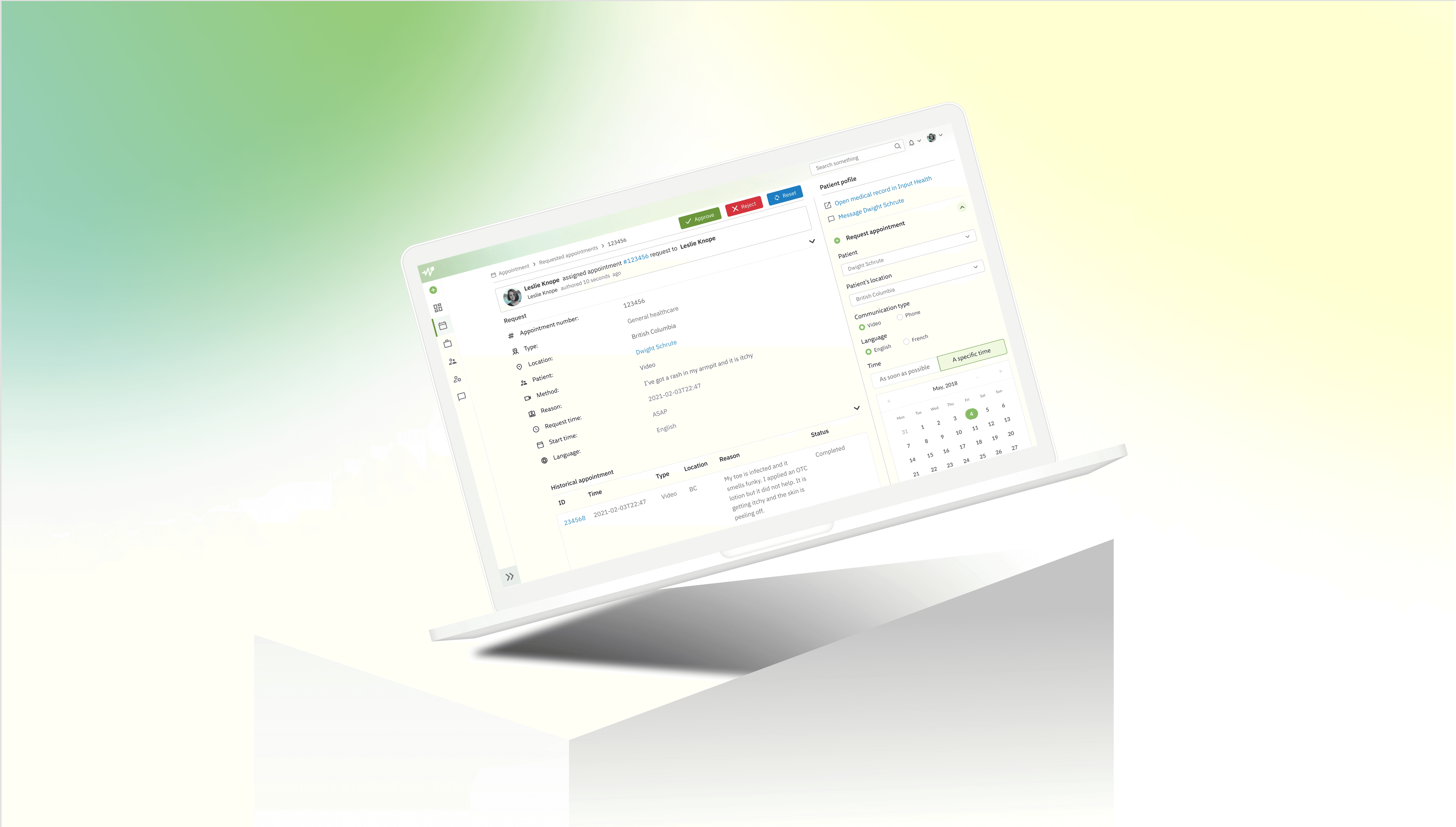
Industry
HealthTech - Telemedicine
Platform
Web & Mobile
Founded
2011
Company size
50-101
Timeline
18 months
Team Size
10
My Role
UX Designer & Developer
Impact
50,000+ patients,
35 clinicians,
15 medical coordinators
Overview
Platform
Patient-Facing Application (Member Portal)
Platforms: - Native iOS and Android apps - Web application (responsive) - Progressive Web App for mobile browsers
Key Features:
Appointment Management
Subscription Management
Communication Center
Health Records
Administrative Portal (Staff Platform)
Platform: - Web-based desktop application - Optimized for large screens and multitasking
Key Features:
Medical Coordinator Interface:
Appointment Management - Validate and approve appointment req info accuracy
Patient Management - Patient and Family Member information
Communication Tools - Live chat feature with patient
Clinician Interface:
Appointment Management - Validate approved appointment request
Patient Care Consultation - Phone or Video medical consultation
Communication Tools - Live chat with MC and patient
Business Challenges
The Breaking Point: Manual Processes vs Scale
At 50,000+ patients and growing, Wello's manual appointment management was creating critical bottlenecks and risks:
Appointment Assignment & Processing (Efficiency)
Challenge: Manual appointment queue management led to inefficient clinician time utilization and "cherry-picking" of easier cases
30-45 mins
minutes average processing time per request
200+
daily appointments managed manually
3 hrs
MC's 8-hour shift spent on data entry
25%
appointment requests requiring follow-up due to missing information
Information Access & Validation (Accuracy)
Challenge: Fragmented patient information across systems created validation bottlenecks and increased error risk
8
HIPAA-related incidents due to manual data transfer
5+
Multiple clicks to access critical patient data (consent, medical history)
4
major data breaches within 2 years
N/A
No unified view of family relationships and medical history
System Integration & Data Management (Workflow Optimatization)
Challenge: Dual calendar systems and manual data transfer created security risks and scheduling conflicts
18%
State-license mismatch errors
15%
Double-booking rate due to desynchronized calendars
3
Fragmented view of appointment history and status
N/A
No single source of truthfor patient information
Core Opportunities
With ambitious goals to scale, Wello assembled a lean but mighty team of 10 to reimagine the entire platform to
Create a unified appointment fulfillment system that:
Consolidates patient and appointment request information in an accessible interface
Automates data validation and calendar sync
Provides clear visibility into appointment status and history
Impact Scope:
50,000+ patients
35 clinicians
15 medical coordinators
4,000+ monthly appointments
Desired Outcome:
Reduce processing time by 80%
Eliminate manual data entry
Prevent licensing violations
Create single source of truth
Reduce processing time by 80% -
Eliminate manual data entry - Prevent licensing violations - Create single source of truth - Enable scalable operations
Project & Methodologies
Transform a manual, error-prone appointment process into an automated, efficient system while maintaining HIPAA compliance and improving user experience for both MCs and clinicians.
Define & Discovery
Purpose:
Understand user pain points and define core problems through research and data gathering to ensure we're solving the right problems.
Methods:
- User Interviews: 5 MCs, 3 clinicians
- Contextual Inquiry: Shadowed appointment processing using legacy Wello & Input Health
- User Persona: MC and Clinicians
- Problem Statement & User Stories
Ideate & Design
Purpose:
Transform research insights into tangible solutions through iterative design while establishing a systematic approach to the interface.
Methods:
- User Flows: Appointment fulfillment journey
- Information Architecture: Patient data consolidation
- Journey Maps: MC and clinician workflows
- Wireframes: Queue and screening interfaces
- UI Components: Design system in Storybook
Prototype & Test
Purpose:
Validate design decisions through user testing and iterate based on real user feedback to ensure solution effectiveness.
Methods:
- 5 rounds of usability testing
- A/B testing of queue management
- Prototype iterations with MCs
- Clinician workflow validation
Implement & Measure
Purpose:
Deploy solutions strategically while measuring impact against baseline metrics to ensure business objectives are met.
Methods:
- Beta testing with select users in UAT
- Phased feature deployment
- User feedback integration
- Performance monitoring
Define & Discovery
Understanding the core of appointment fulfillment challenges required a focused research strategy. We started by interviewing 5 Medical Coordinators and 3 clinicians, diving into their daily workflows and pain points.
Most revealing was our contextual inquiry
- shadowing MCs during peak hours as they juggled between Wello and InputHealth systems.
This hands-on research revealed a critical insight: what seemed like a simple appointment booking process actually involved over 30 clicks, constant system switching, and complex compliance checks.
These observations shaped our two key personas:
Jenna, our efficiency-focused MC, and Dr. Chen, our patient-centric clinician. → Next, I'll walk you through the key UX artifacts that emerged from this research in Figma...





Impact & Result
1. Operational Efficiency Transformation
Before Launch:
- 30-45 mins per appointment processing
- 200+ appointments managed manually daily
- 3 hours spent on data entry
- 25% appointments requiring follow-up
After Launch:
- 5-7 mins per appointment (85% reduction)
- 500+ daily appointment capacity
- 30 mins on data entry (83% reduction)
- 8% follow-up rate (68% improvement
Impact:
The dramatic reduction in processing time enabled MCs to handle higher appointment volumes while reducing errors. The automated queue management eliminated "cherry-picking," ensuring fair distribution and better resource utilization. This efficiency gain translated to approximately 15 additional patient consultations per clinician per day.
2. Security & Accuracy Improvements
Before Launch:
- 8 HIPAA incidents from manual transfers
- 5+ clicks to access critical data
- 4 major data breaches in 2 years
- No unified family information view
After Launch:
- Zero HIPAA incidents
- Single-click information access
- No data breaches reported
- Comprehensive family profiles
Impact:
The unified interface eliminated security vulnerabilities while streamlining information access. This not only improved compliance but significantly enhanced patient care quality through better information availability. MCs reported higher confidence in their work and reduced stress levels.
3. Workflow & Integration Success
Before Launch:
- 18% license mismatch errors
- 15% double-booking rate
- 3 fragmented history views
- Scattered patient information
After Launch:
- <1% license mismatches
- Zero double-bookings
- Single unified timeline
- Centralized information hub
Impact:
System integration eliminated the need for manual cross-checking, reducing errors while improving scheduling accuracy. The single source of truth for patient information transformed the way care teams collaborated, leading to better coordination and patient experience.
Overall Business Impact:
40%
increase in appointment capacity
78%
reduction in scheduling errors
85%
user satisfaction score
0
Zero compliance incidents since launch